“If the loophole persists, that trust erodes. Not because the hemp farmers are bad people. But because a system that applies rigorous standards to one channel and none to another will eventually produce a failure that damages everyone.”
By Jason Leisey, Emerald Tea Supply Co.
I spent years in institutional finance trading macro derivatives before I built a licensed cannabis dispensary in New Jersey. I understand how regulatory arbitrage works—how a legal category distinction, rather than any meaningful difference in the underlying asset, can create a two-tier market where one side bears all the cost and the other captures all the margin. That is exactly what the hemp loophole in federal and state laws has produced.
A recent Marijuana Moment op-ed authored by hemp farmer John Grady, eloquent as it is, argues for keeping it that way.
Let me be clear about where I stand: I am not anti-hemp. I am not lobbying for marijuana to win a market war. I am pro-regulation of THC—full stop—regardless of which plant it came from. That distinction is the foundation of everything that follows.
First: Hemp And Cannabis Are The Same Plant
Before we can talk policy, we need to talk biology—because the entire regulatory debate rests on a distinction that does not exist in nature.
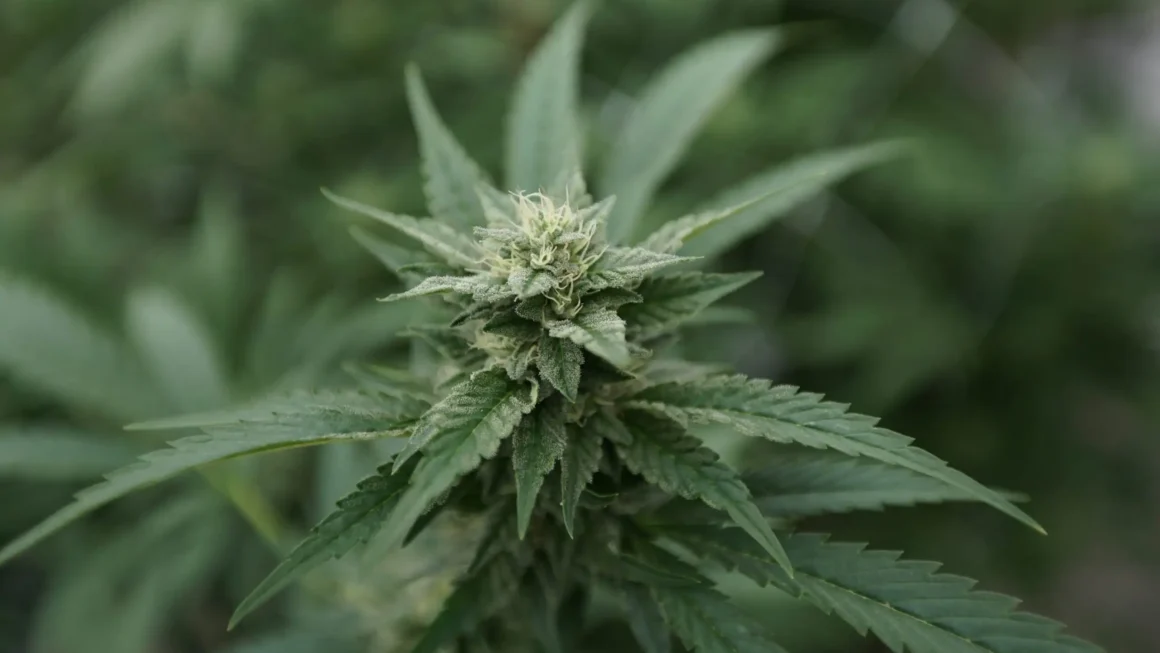
Hemp and cannabis are the same species: Cannabis sativa L. The difference between them isn’t visible in a field, detectable in a lab, or encoded in genetics. It exists exclusively in a law book.
Since the 2018 Farm Bill, federal law has defined “hemp” as any cannabis plant containing 0.3 percent or less Delta-9 THC by dry weight. Everything above that threshold is legally “marijuana.”
Same plant. Same molecule. Different regulatory universe depending on a number.
Think of it like moonshine and bourbon. Both are distilled from grain. Both are chemically ethanol. Nobody argues that moonshine should be sold unregulated at a farmers market simply because it came from a different still—or because the distiller loves the craft. The intoxicating molecule is the same. The public safety obligation is the same. The source doesn’t change the standard.
That is exactly what has happened with hemp and cannabis. And in 2026, the practical consequence of that category error has become impossible to ignore.
The Molecule Doesn’t Care About The Label
The central argument in Grady’s Marijuana Moment op-ed is that hemp and marijuana are the same plant, so they should be treated differently by regulators. Read that sentence again. He uses biological unity to argue for regulatory fragmentation. That is not a coherent position.
A hemp-derived delta-9 THC gummy and a dispensary-sold THC gummy produce similar physiological effects in the person who consumes them. Grady’s “Hemporium” model asks consumers to trust that the unregulated version is just as safe as the one subject to mandatory third-party testing, seed-to-sale tracking and state-certified lab verification for heavy metals, pesticides and residual solvents. That is not consumer protection. That is a market positioning argument dressed in the language of one.
If the plants are the same, the rules must be the same. The molecule doesn’t care about the label. Neither should the law.
Regulation Is A Safety Floor, Not A Barrier
Grady frames the licensed dispensary channel as a “market entry barrier.” He’s right that it is—in the same way that an Federal Aviation Administration license is a barrier to flying a commercial aircraft. A private pilot who loves the sky and has logged thousands of hours still cannot fly a 737 without certification, because the stakes of failure extend far beyond the cockpit.
At Emerald Tea Supply Co., our “barriers” include state-mandated lab testing for every product on our shelves, strict age verification with no exceptions, zoning requirements that respect school buffers and community standards, seed-to-sale tracking that ensures zero diversion to minors and social equity contributions built into our licensing structure.
These aren’t obstacles we resent. They are the infrastructure of trust that earned us the right to operate—and that protects the consumers who walk through our door.
When Grady argues for selling intoxicating THC products outside that framework, he is not arguing for a level playing field. He is arguing for the right to benefit from the public trust that the regulated market built, without paying the price of building it.
The True Cost Of The Loophole
There is a real economic injury here that goes beyond competitive disadvantage, and it has a number attached to it.
Because cannabis remains federally scheduled, licensed dispensaries are subject to IRS Section 280E—a tax provision that prohibits us from deducting ordinary business expenses. Rent, payroll, utilities: none of it deductible.
The result is that cannabis operators routinely face effective federal tax rates of 70 percent or higher on gross profit, while filing like any other American business is simply unavailable to us.
Meanwhile, hemp retailers selling chemically identical intoxicating products file as ordinary retail. Same molecule. Radically different tax treatment.
Add state excise taxes that fund social equity programs and community reinvestment, compliance overhead, licensing fees and mandatory security infrastructure—and the gap becomes structural. When a hemp shop undercuts my prices on a product that produces the same effect as mine, they aren’t competing on craft or quality. They are competing on a government-granted exemption from the rules I built my business around.
That is regulatory arbitrage. The consumers who pay the price when that system fails are the same veterans, patients and community members both Grady and I claim to serve.
The “One Plant” Logic Cuts Against Grady’s Hemp Argument
Grady invokes Steve DeAngelo and the One Plant Alliance approvingly. He agrees, philosophically, that the marijuana plant is the hemp plant. Then he argues for two separate regulatory tracks based on which side of an arbitrary federal definition a product falls on.
The One Plant Alliance’s actual position—age verification, testing and labeling applied equally across every sector of the plant—is precisely what I am advocating. Grady has adopted the branding while rejecting the substance.
If you believe in One Plant, you believe in One Rule. Everything else is marketing.
What’s Actually At Stake
I support federal legislation that creates a unified, source-agnostic regulatory standard for all intoxicating cannabinoid products. A per-serving THC limit, mandatory age-gating and third-party testing requirements—enforced equally whether the product comes from a hemp farm in Missouri or a licensed cultivator in New Jersey—would solve the problem Grady says he wants to solve.
But I want to end with what Grady ended with: the human cost.
He mourns what is being lost in the hemp industry. I understand that grief. I also know what is at stake on the other side of the ledger. Every veteran who walks into my dispensary looking for a tested, traceable product to manage pain or PTSD is making a trust decision. They are trusting that what is on the label is what is in the product. That trust was built by the regulated market—by operators who submitted to oversight, absorbed the tax burden and did the compliance work that nobody outside this industry ever sees.
If the loophole persists, that trust erodes. Not because the hemp farmers are bad people. But because a system that applies rigorous standards to one channel and none to another will eventually produce a failure that damages everyone—and the patients and veterans who finally found something that works will be left wondering who to believe.
One plant. One rule. That is not consolidation. That is integrity. And it is the only foundation this industry can build on.
Jason Leisey is a combat veteran of the Iraq War, Columbia MBA and CEO of Emerald Tea Supply Co., a licensed cannabis dispensary and delivery operation in Bloomfield, New Jersey.
Photo courtesy of Brendan Cleak.
Marijuana Moment is made possible with support from readers. If you rely on our cannabis advocacy journalism to stay informed, please consider a monthly Patreon pledge.