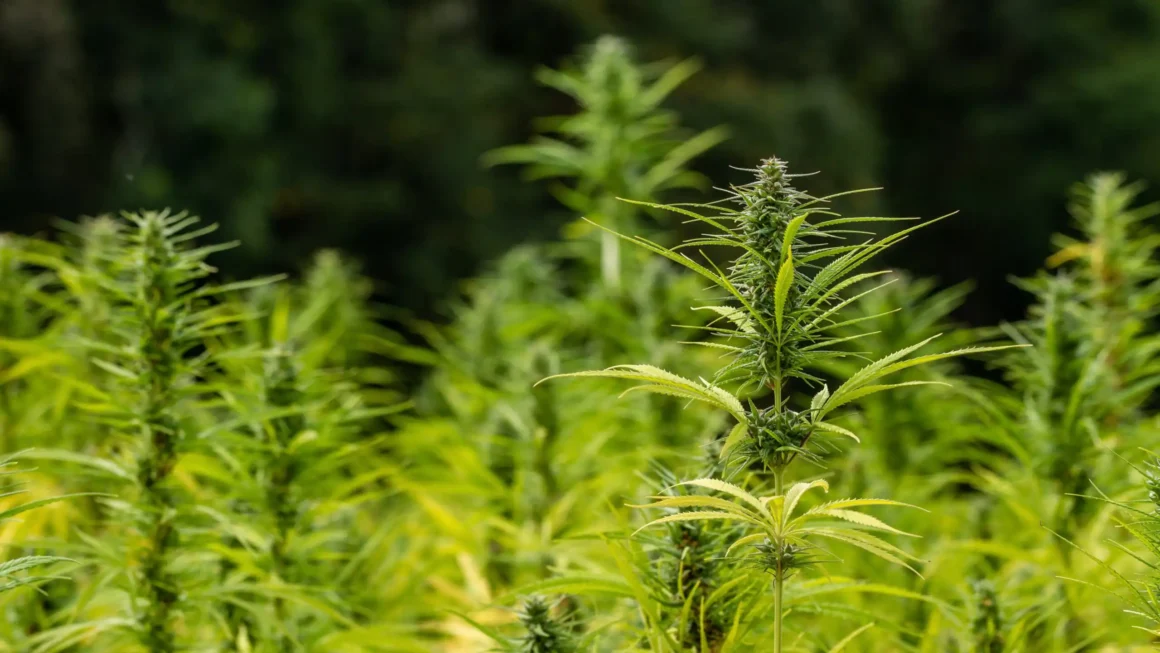
A combination of the marijuana components THC and CBD leads to a significant and sustained reduction in agitation in the vast majority of people with Alzheimer’s disease of other forms of dementia, according to a new federally funded study.
The placebo-controlled, double-blind trial involved a cannabis preparation called T2:C100 that contained 2mg THC and 100mg CBD, and included 120 people with dementia who were eligible to receive hospice care and were experiencing clinically significant agitation.
The researchers, from Medical University of South Carolina and Georgetown University, found that there was a “statistically significant improvement” in scores on a standardized scale to systematically assess agitation among patients who received the cannabis medication as compared to the placebo group—measured at both two weeks into the trial and at the end of the full 12-week study.
After week two, 84 percent of participants receiving THC and CBD improved, according to the caregiver-rated scale, compared to 31 percent of those who got the placebo. After the full trial, 87 percent of those who got the cannabis medication manufactured by MediPharm Labs saw improvement, as compared to 24 percent in the placebo group.
The results, presented at the Alzheimer’s Association International Conference this month, suggest that the “THC/CBD combination used in the study may be an important therapeutic tool” for patients with agitation and Alzheimer’s disease or other types of dementia, according to the abstract.
“This is a robustly positive, randomized, controlled trial that represents a major step forward in treatment for a population that has been historically overlooked in clinical research,” lead investigator Jacobo Mintzer said in a press release. “We now have evidence supporting a new and very effective treatment approach for agitation that may be appropriate for people in the final stages of dementia at the end of life, offering them grace and peace in what is often an extremely difficult time for patients and their families.”
“These trial results were extremely impressive and showed a level of response not seen before in clinical trials related to dementia,” he said. “Rarely do we see close to 90 percent of patients in a trial respond positively to a new medication.”
The Life’s End Benefits of cannaBidiol and tetrahYdrocannabinol (LIBBY) study, which involved patients with an average age of 80.5 years, was funded by the National Institutes of Health and the Alzheimer’s Association.
“The LiBBY study directly addresses one of the most challenging and under-discussed aspects of Alzheimer’s disease—end-of-life agitation,” Elizabeth Edgerly, voce president for care and support for the Alzheimer’s Association, said. “These results not only highlight a promising therapeutic option, but also underscore the importance of prioritizing attention, care and research for individuals in mid- and late-stage Alzheimer’s and related dementias.”
Brigid Reynolds, a co-principal investigator on the study, said that “proving the clear benefit of THC/CBD over placebo can bring hope to millions of patients, their families, caregivers and loved ones.”
“Agitation affects many people with late-stage dementia, causing symptoms such as restlessness, aggression and emotional distress that can profoundly impact patients and their caregivers,” she said. “Current treatment options are limited and often carry significant side effects, underscoring the need for safer, more effective therapies.”
Meanwhile, the American Medical Association adopted a resolution last month recognizing both the risks and potential therapeutic benefits of marijuana use by older adults.
It simultaneously notes that there is a “higher incidence of dementia among individuals who use cannabis” but also that “cannabis may offer therapeutic benefits for managing agitation in dementia patients, potentially serving as an alternative to antipsychotic medications.”
A study published last year found that CBD shows “promising” results to reduce inflammation and cognitive decline associated with aging.
In 2024, a scientific review concluded that THC, CBD and lesser-known phytocannabinoids, terpenes and flavonoids in marijuana are “promising agents in treating neurodegenerative disorders.”
Marijuana Moment is made possible with support from readers. If you rely on our cannabis advocacy journalism to stay informed, please consider a monthly Patreon pledge.