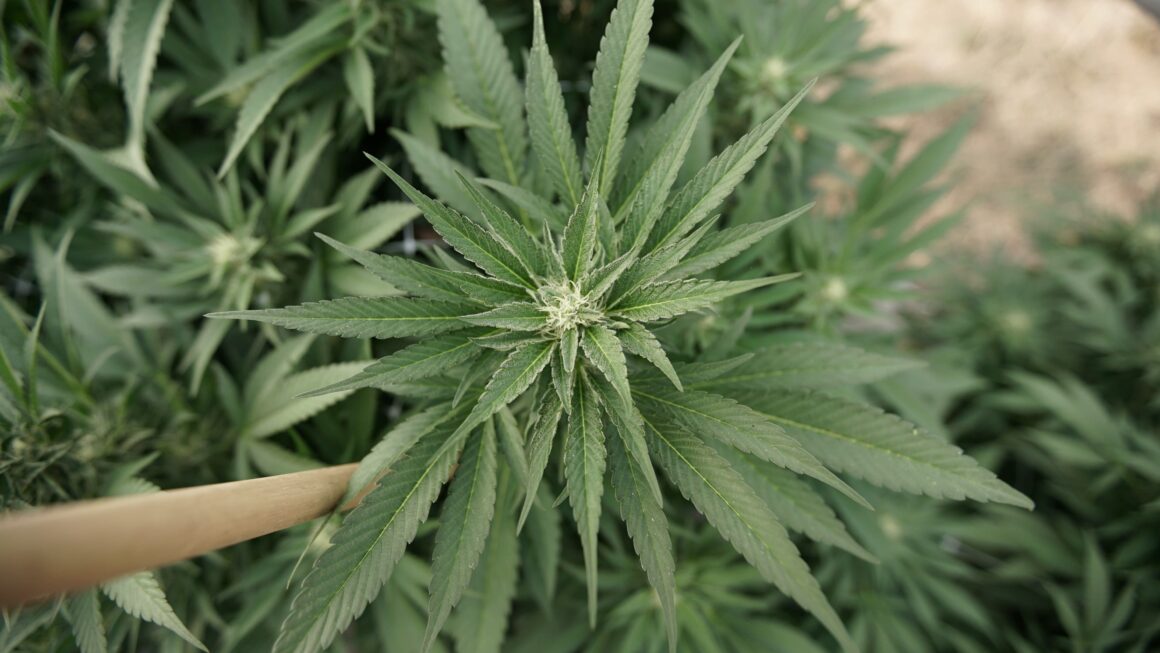
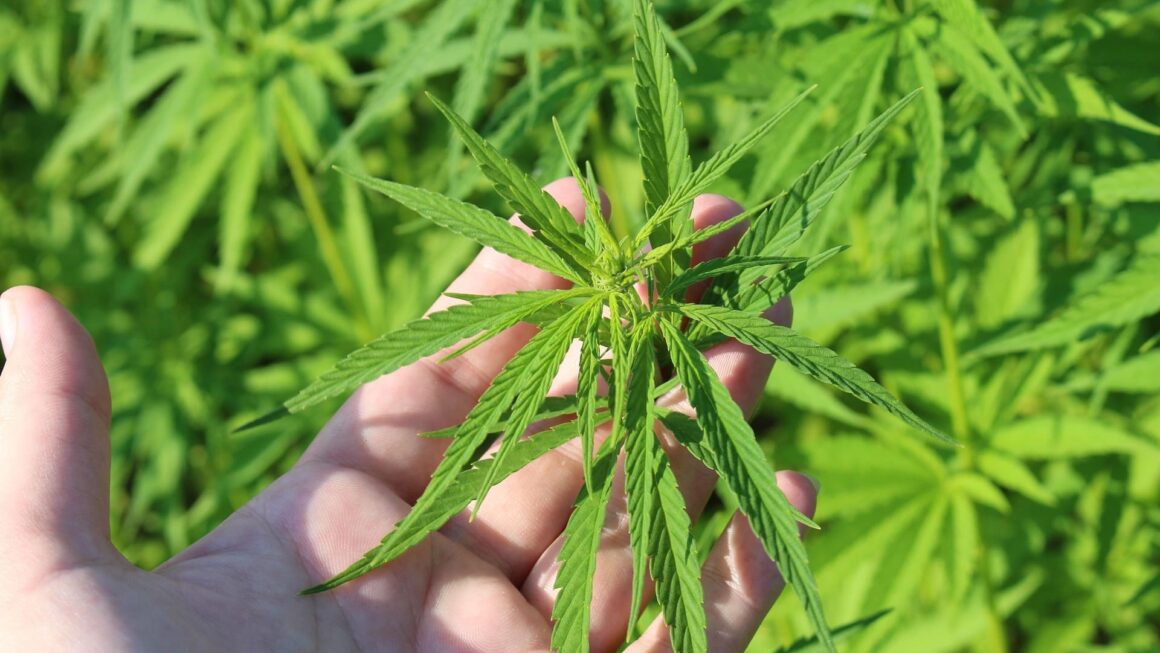
President Donald Trump will be signing an executive order on Thursday that will direct the attorney to “expedite” and “complete” the marijuana rescheduling process, throw a lifeline to the hemp industry, allow doctors to prescribe CBD products that would be eligible for Medicare coverage and more, a White House official told reporters at a readout ahead of the signing event.
Marijuana Moment wasn’t invited to attend the background briefing, but obtained the transcript of the conversation.
Many details are consistent with reporting about the plan to move marijuana from Schedule I to Schedule III of the Controlled Substances Act (CSA), but the discussion revealed additional information about the order and how the administration is framing the reform.
The official started by emphasizing that the “common sense” administrative action is “focused on increasing medical research for medical marijuana and CBD” to “better inform patients and doctors.”
That means expediting the finalization of a rule to reschedule marijuana, they said. The move wouldn’t legalize cannabis, but it would help promote research while also letting marijuana businesses take federal tax deductions they’ve been barred from under an Internal Revenue Service (IRS) code known as 280E.
Here are new details about Trump’s executive order on cannabis:
- Direct the attorney general to expedite the completion of the process of rescheduling marijuana to Schedule III of the CSA.
- Direct top White House staff to work with Congress to give patients access to full-spectrum CBD products, “while still restricting the sale and access to products that cause serious and potentially life threatening health risks.”
- Urge Congress to examine updating the definition of hemp to ensure that full-spectrum CBD is accessible to patients—a policy change that could mitigate some concerns in the sector about a recent spending bill Trump signed with provisions that would broadly ban consumable hemp products.
- Direct the U.S. Department of Health and Human Services (HHS) to “develop research methods and models, to utilize real world evidence [and] to improve access to hemp-derived CBD products in accordance with federal law” while informing “standards of care.”
Separate from Trump’s order, Mehmet Oz, administrator for the Centers for Medicare & Medicaid Services (CMS), will also be announcing “a model that will allow a number of CMS beneficiaries to benefit from receiving CBD under doctor recommendation at no cost,” the White House official said.
“This is hemp-derived CBD products that would be eligible to receive CBD at no cost under a doctor’s recommendation,” they said. “The product must meet local and state quality and safety laws, come from a legally compliant source and be tested by a third party for CBD levels and contaminants.”
While there’s been reporting that Trump’s order would include a directive to Congress to advance a cannabis banking reform bill and possible clemency action, those two details were not mentioned at the media briefing. But the order itself hasn’t been released yet, so it remains to be seen if those work into the action.
“The president’s intent…is to remove barriers to research,” the White House staffer said. “The president has heard from so many people who have talked about the potential benefits of medical marijuana and CBD, but he’s also heard from patients and and from doctors that there’s not enough research to inform medical guidelines that many patients are using these products without talking to their doctor about them.”
“As a Schedule I substance, marijuana has been defined historically as having no currently accepted medical use, a high abuse potential and a lack of accepted safety for use in their medical supervision,” they said, noting that federal agencies recommended rescheduling cannabis during the Biden administration following a “lengthy” scientific review that determined the plant and its constituents do, in fact, hold medical value.
“The president’s directive to the attorney general is to complete that process,” they said, adding that seniors and people with chronic pain in particular may benefit from cannabis as an alternative therapy option.
On hemp products, the White House staffer noted that the spending bill Trump recently signed redefined legal hemp products to have a legal limit of 0.4 milligrams per container.
“The president’s directive is asking Congress to…potentially update that definition, so that full-spectrum CBD products would still be available.”
National Institute on Drug Abuse Director Nora Volkow also spoke on the call, emphasizing how rescheduling will boost research on cannabis.
“It’s important…because many Americans are using cannabis for medical purposes, and yet, for the most part, the evidence is not there in terms of not just what are the benefits, but also how to optimally give it to those individuals for which the condition does respond to cannabis,” she said.
“I think it’s important to recognize that it is very likely that cannabis has potential therapeutic applications, but we also know very clearly that cannabis can be addictive,” Volkow said. “Thus, it’s crucial that we do research also in order to be able to optimally develop treatments that can help people addicted to cannabis, while at the same time pursuing the research that will enable us to understand under what conditions cannabis may have a therapeutic purpose for and how to minimize the risk.”
Marijuana Moment is made possible with support from readers. If you rely on our cannabis advocacy journalism to stay informed, please consider a monthly Patreon pledge.