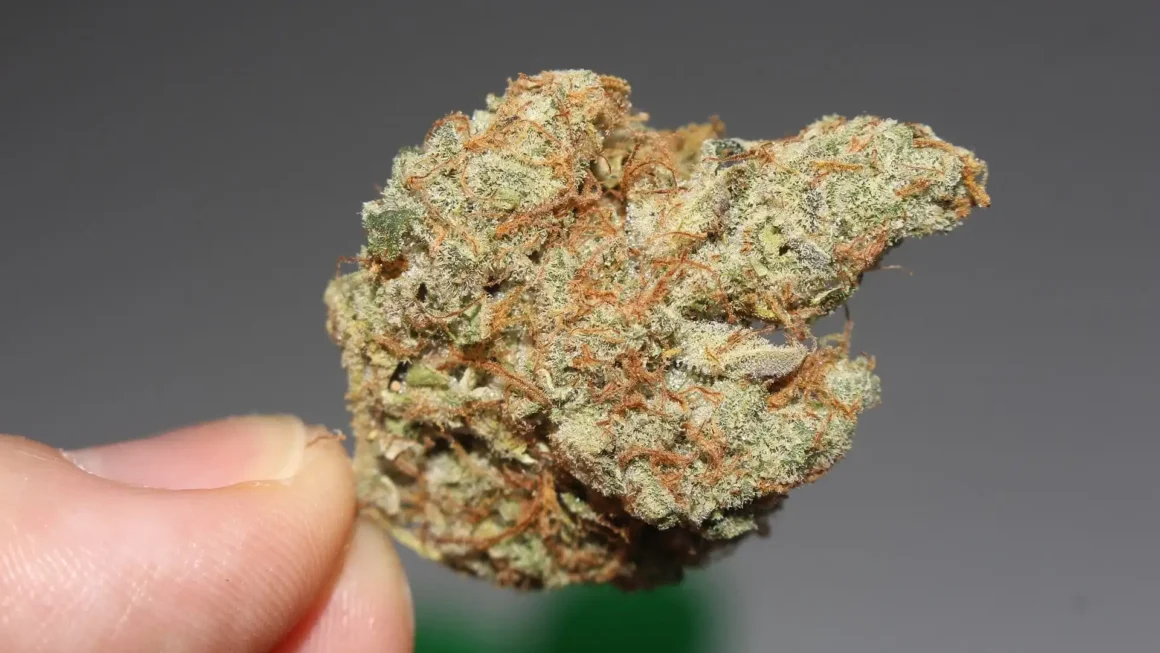
“The situation provides a practical lesson for any business in the cannabis industry seeking to establish its brand identity.”
By Sharon Urias, Greenspoon Marder
The time and effort involved in choosing a brand name should never be taken lightly, given its impact on a business from a consumer perspective. Of course, another important consideration when picking a brand name concerns the legal risks associated with that choice.
Terps USA, a Colorado-based cannabis company, recently learned the importance of branding due diligence after finding itself in a trademark dispute with the University of Maryland over its use of “Terps.”
The University of Maryland sent Terps USA a cease-and-desist letter stating that the company’s name and logo violate the university’s “TERPS” trademarks. It claims that consumers might think the university is associated with, sponsoring or endorsing the cannabis products. The letter demands that Terps USA give up the name completely.
In its defense, Terps USA claims that “terps” is a common term for terpenes, the aromatic substances present in cannabis plants that affect flavor and effects. The company says its branding is consistent with standard terminology used in the cannabis industry and has no connection to the University of Maryland’s sports teams, the Terrapins—commonly referred to as the Terps.
This dispute shows a genuine tension in trademark law and registration, namely when a well-known institutional nickname coincides with ordinary language commonly used in a totally different industry.
Why Universities Can Protect Nicknames And Where That Protection Ends
Trademark law enables universities to safeguard well-known nicknames across various markets through the principles of trademark infringement, initial interest confusion and potentially dilution. However, it becomes harder to enforce a mark against a company in a different industry if the term is a common, generic or descriptive industry abbreviation, such as “terps,” which is shorthand for terpenes.
The importance of this distinction lies in the fact that trademark protection is not limitless in its reach. While a university nickname can have significant legal significance in contexts related to sports, merchandise or education, the same word may lose some of its protective value when used in the ordinary course of business in another industry.
Cannabis companies frequently use terms related to terpenes in product descriptions, on packaging and in marketing materials. When consumers look at cannabis products, they often come across references to terpene profiles in comparison of the effects and flavors of various strains. This common industry practice forms the basis of Terps USA’s defense.
What The University Needs To Prove
The University of Maryland needs to show that consumers were actually confused and believed the university endorsed or sold cannabis products, or that there is a likelihood of consumer confusion.
In that regard, the university may have difficulty proving confusion. Is it really reasonable to believe that consumers would think that a university sells or endorses the sale of cannabis products?
One potential problem for Terps USA, however, is that the logo does appear to resemble the university’s TERPS logo in color, font and style. That could support an argument by the university that the alleged infringement is intentional.
Lessons For Cannabis Brands Choosing A Name
The situation provides a practical lesson for any business in the cannabis industry seeking to establish its brand identity. Although sector-specific terminology may seem like a natural choice for a company name, particularly because it relates to actual product features such as terpene content, it can still lead to legal action if it overlaps with a well-known trademark—even if that trademark comes from a completely different field.
Companies planning to build a name around common industry terms should take a few steps early:
- Conduct a comprehensive trademark search across all classes, not just those related to their industry, such as cannabis.
- Before launching the brand, it is necessary to record how the term is used in a general or descriptive sense within the industry.
- Do not use any visual branding features, such as colors, fonts or logos, that look similar to another trademark, particularly one that is well known.
- Consult a trademark attorney before finally deciding on a name, not only after you have received a cease-and-desist letter.
Sharon Urias is a partner and the Intellectual Property Practice group leader at Greenspoon Marder. She has over 30 years of experience in intellectual property and commercial litigation, spanning various industries, including apparel, cannabis, entertainment, real estate and technology.
Photo courtesy of Mike Latimer.
Marijuana Moment is made possible with support from readers. If you rely on our cannabis advocacy journalism to stay informed, please consider a monthly Patreon pledge.


Related Posts
If DEA Wants Medical Marijuana Operators To Get Serious Under Rescheduling, It Should Go First (Op-Ed)

Firefighter Suing City For Medical Marijuana Rights Wins Key Court Victory (Op-Ed)