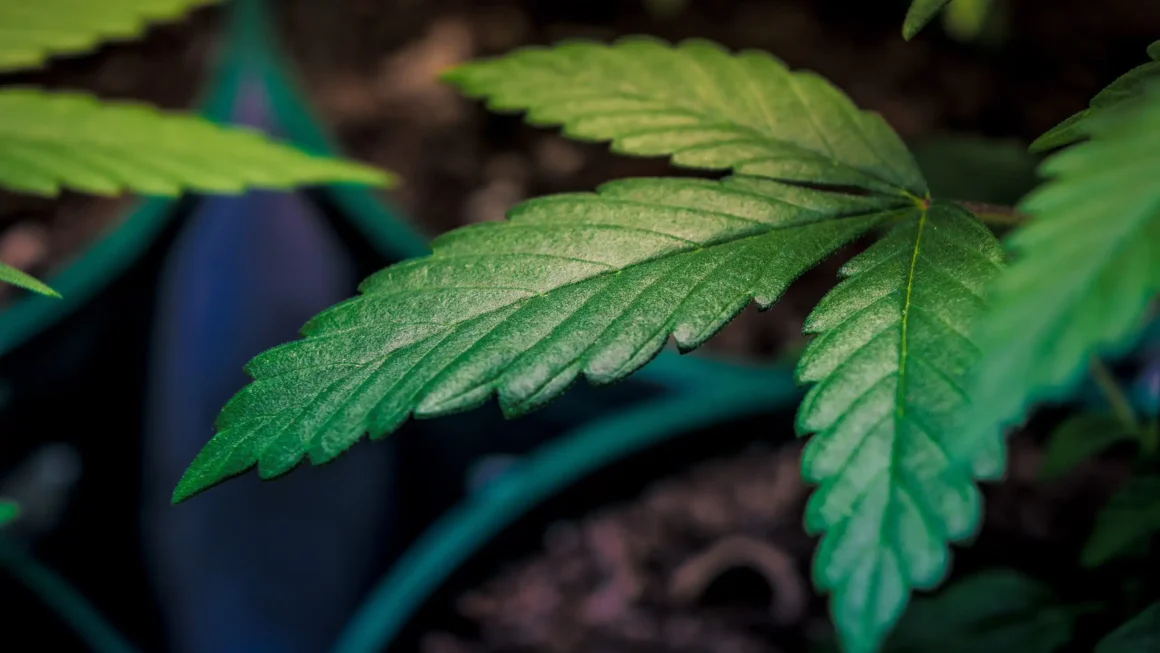
Policy experts and global researchers break down the data, the myths and the next steps for a country on the edge of reform.
In October, Reykjavík hosted the Hemp4Future conference, bringing together international researchers, clinicians, policy specialists and industry leaders to examine how cannabis and hemp could support Iceland’s long-term goals in public health, environmental sustainability and wellness-based policy. Across two days of panels and workshops, speakers delivered a consistent message: Iceland is uniquely positioned to benefit from regulated cannabis access, but only if policymakers move beyond stigma and toward evidence-driven reform.


Youth Use Declines in Regulated Markets
Several speakers addressed the fear that legalization increases youth consumption. In Germany, a 2025 paper from the Federal Institute of Public Health (BIÖG), reviewing representative survey data collected prior to the country’s April 2024 reform, found only minor changes in adolescent cannabis use overall from 2008 to 2023, while use among male adolescents declined between 2019 and 2023. The authors noted that the effects of partial legalization on youth use will require continued evaluation.
Similar patterns have been observed in the United States. The University of Michigan’s Monitoring the Future 2025 report shows substantial long-term declines in past-30-day marijuana use since 2012 across 8th, 10th and 12th graders. Meanwhile, data published by the Centers for Disease Control and Prevention found that current cannabis use among students in grades 8, 10 and 12 in King County, Washington declined between 2008 and 2021.
State-level data points in the same direction. The 2023 Healthy Kids Colorado Survey reported that 13% of high school students used marijuana in the past month, showing no increase from prior years despite a mature legal market.

“Youth use falls when cannabis is regulated,” Pearson noted. “The fear doesn’t match the evidence.”
Medical Needs: MS, Epilepsy and Chronic Pain
Iceland’s medical landscape was a recurring theme, with multiple experts underscoring how cannabis-based therapies could offer immediate benefits. The country has a relatively high prevalence of multiple sclerosis compared with much of the world, according to epidemiological research.

For MS-related spasticity, a 2024 systematic review and meta-analysis found that cannabinoid-based medicines, particularly nabiximols, have demonstrated effectiveness in reducing symptoms.
In presentations from clinicians and researchers, speakers also pointed to evidence supporting cannabidiol, or CBD, for severe childhood epilepsies. A landmark randomized clinical trial published in The New England Journal of Medicine found that CBD significantly reduced seizure frequency in patients with Dravet syndrome. The FDA-approved drug Epidiolex now covers seizures associated with Dravet syndrome, Lennox-Gastaut syndrome and tuberous sclerosis complex.
Additional research also supports the use of cannabinoids in certain contexts, including chronic neuropathic pain and chemotherapy-related nausea and vomiting, though evidence for sleep outcomes remains more mixed and continues to evolve, according to a review of medical cannabinoid evidence.
Global Frameworks and the Challenge of Patchwork Policy
International cannabis attorney Bob Hoban delivered one of the most technical analyses of the event, outlining how regulatory “phases” determine whether a country’s cannabis program succeeds or stalls. He emphasized a global pattern of nations legalizing cannabis without creating workable pathways for commercial distribution or export, a mismatch that has slowed progress across emerging markets.

“Access to medical cannabis is a human right. People deserve safe, natural options that reduce harm and bring healing. Legalization is also harm reduction,” explained Founder of Hemp for the Future, Þórunn Þórs Jónsdóttir. “Hemp is one of the few plants that loves Iceland as much as we do. It grows strong in our tough conditions and reminds us what resilience looks like. With our renewable energy, glacial water and pure air, we could turn that strength into a sustainable industry, from green medicine to green jobs.”
“Perfect regulation doesn’t exist,” Hoban told the audience. “Countries that wait for perfection usually fail. Progress comes from starting, adjusting and creating balance between domestic access and international commerce.”
Hoban also described the five existing global “channels” through which cannabis currently operates, industrial, adult-use, wellness, medical and illicit, and argued that effective policy must account for all five rather than attempt to regulate them in isolation.
Several speakers highlighted hemp’s environmental advantages, particularly its potential relevance to Iceland’s climate goals. Comparative research suggests hemp has significantly lower water requirements than cotton, with one 2023 study reporting a 38% lower crop water requirement and a 60% lower water footprint.
Hemp also offers measurable carbon sequestration potential. A sustainability review estimated that hemp can capture approximately 3.15 to 3.68 metric tons of CO₂ per hectare, depending on cultivation conditions.
Additionally, hemp has demonstrated phytoremediation capabilities, including the ability to absorb certain heavy metals from contaminated soils, though effectiveness depends on environmental conditions, contaminants and cultivation practices, according to published research on hemp bioremediation.
Rather than presenting these outcomes as guaranteed, speakers emphasized that Iceland’s renewable energy infrastructure, particularly geothermal and hydroelectric power, could make hemp cultivation and processing comparatively attractive from a sustainability standpoint.
A Robust Illicit Market Drives the Reform Question
Speakers argued that Iceland already has meaningful cannabis demand despite the absence of a broader regulated market. European survey data suggests cannabis use in Iceland is not low by regional standards, particularly among younger populations.
Despite strict general prohibition, Iceland does allow limited regulated medical access. The Icelandic Medicines Agency confirms that Sativex is authorized and available by prescription from specialist neurologists, and that physicians may apply for access to other cannabis-based medicines approved abroad. Outside this framework, cannabis remains prohibited under Icelandic law.

Experts argued that regulation, not prohibition, is the most effective tool for consumer safety, public health monitoring and harm reduction. Across Europe, medical cannabis frameworks have expanded significantly, though access rules, product categories and prescribing standards continue to vary widely.
A Program Grounded in Local Values
While much of the conversation centered on international models, speakers repeatedly pointed back to Iceland’s existing strengths: a wellness-oriented policy framework, strong public health data systems and a culture that values prevention and harm reduction.
The conference closed with a call for Icelandic policymakers to consider a medical-first regulatory approach supported by real-time data collection, clinician education and clear standards for both botanical and pharmaceutical cannabinoid use.
As Pearson told the audience in her keynote: “Courage is not the absence of fear. It’s the decision to act in spite of it.”
For Iceland, experts suggested, courageous cannabis policy may simply mean aligning regulation with reality and leveraging the plant as a tool for wellness, sustainability and public health.
This article is from an external, unpaid contributor. It does not represent High Times’ reporting and has not been edited for content or accuracy.

Related Posts

Federal Drug Testing Rule Will Require ‘Directly Observed’ Urine Collection From Truck Drivers
Democratic Lawmakers Push Trump To Release Federal Marijuana Prisoners As A Follow-Up To Rescheduling