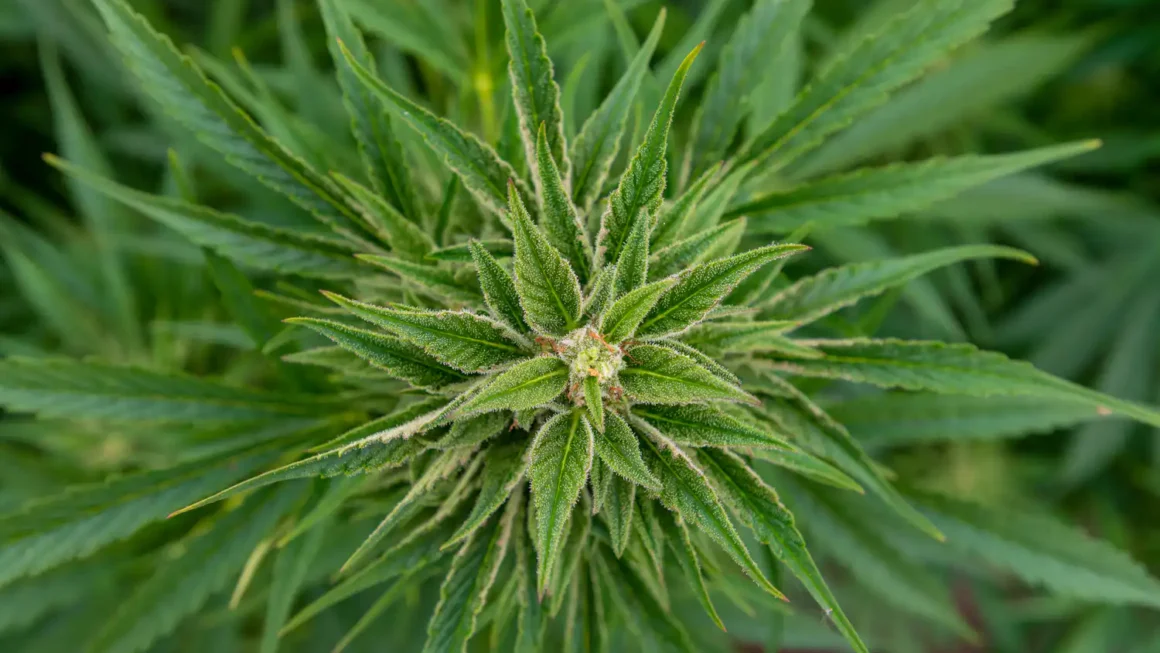
Cannabis is quietly emerging as a geopolitical tool in 2026, reshaping global trade, diplomacy and soft power amid energy crises and shifting alliances. From U.S. policy shifts to exports in Latin America and reconstruction efforts in Ukraine, the plant is increasingly positioned as a strategic asset in a changing world order.
Rarely, perhaps not since the world wars, has the world resembled a board game where the pieces seem sticky, wobbly and dangerously unstable. In 2026, while news reports flare up over the Strait of Hormuz and traditional energy systems crumble, a quieter form of diplomacy emerges from the sidelines, one that smells neither of gunpowder nor diesel fuel. It is a green diplomacy, a network of soft routes circumventing blockades, sanctions and the stagnation of certain commodities to propose a new world order where the plant dictates the terms.
Of course, on the horizon of this green diplomacy looms the creak of textbook geopolitics, which clashes with the price of a barrel of oil and with the pulse of conflicts that never seem to be resolved. There, at that crossroads, with Donald Trump actively playing his hand on other continents, with the irresolvable tension between Israel and Palestine, and with the violent unfolding of that impossible-to-define scenario called Iran, cannabis moves discreetly, interconnecting economies. A guerrilla diplomacy, one built on niche markets and treaties that, despite their specific weight, are usually signed hastily due to the urgency of those who know that the old world is withering away, live and in real time.
Cannabis geopolitics: key players in 2026
United States
Schedule III reclassification opens door to global investment and botanical soft power
Costa Rica
Completed first major medical cannabis export to Europe in March 2026
Ukraine
Building cannabis-based reconstruction strategy as part of post-war recovery
Morocco
Legal cultivation area exceeds 4,700 hectares; first legal shipments to Switzerland underway
Czech Republic
Home cultivation legal; possession of up to 100g permitted; social club model advancing
Uruguay
Montevideo port emerging as regional logistics hub for Brazilian and Paraguayan hemp
The Pax Cannabica
In April 2026, the United States finally released the handbrake and shifted gears, moving forward with the reclassification of cannabis to Schedule III. It wasn’t an act of kindness, altruism or patriotic self-indulgence. It was more of a chess move. By removing weed from the heroin shelf, the United States not only legitimized a domestic industry that was already a monster, but also allowed its banks to finance global expansion. A small nuance: reclassification doesn’t legalize cannabis federally, but it does eliminate the bureaucratic barrier to international investment.
Now, under this new scenario, U.S. capital could potentially land in any port without bureaucratic pushback. It’s a kind of pax cannabica imposed by the market, a sign that Washington prefers to export genetics rather than continue losing the war on drugs on its own soil. Furthermore, this move allows the U.S. to establish a kind of botanical soft power: those who control the seeds and patents, in a world hungry for new medicines, control the global health narrative.
Those who control the seeds and patents, in a world hungry for new medicines, control the global health narrative.
Latin America steps up
While Europe grapples with how to heat its homes next winter, grapples with migration tensions and suppresses the advance of certain political trends that could threaten the cannabis status quo, Costa Rica completed its first major export of medicinal cannabis to the Old Continent in March 2026. A hefty amount.
Costa Rica isn’t just selling flowers. It’s projecting institutional stability to the world. The picture is a perfect illustration: a country that sees itself as a green oasis supplying pharmacies in a Europe crumbling under the weight of its own energy contradictions. Its underlying strategy is welfare diplomacy. On a similar note, with ARICCAME (Regulatory Agency for the Hemp and Medicinal Cannabis Industry), Argentina aims to become a player in said diplomacy, having successfully extended its existence and, despite political pressure, avoided dissolution. Unfortunately, the situation in Argentina isn’t exactly normal at the moment.
Hemp as the new soybean
Added to this is the resurgence of other established players. The clearest example: Uruguay, which seemed to have rested on its pioneering laurels and is now reactivating its logistics hub within South America. Faced with supply crises in other regions, the port of Montevideo became the emergency exit for Brazilian and Paraguayan industrial hemp. It’s low-profile diplomacy, but with high impact on foreign exchange: cannabis flowers have become the new soybeans, with all that entails for these humid pampas.
Weed for peace
Ukraine, which at this point seems almost like a science fiction dystopia, is developing its famous “Marshall Plan for cannabis.” Interestingly, this didn’t remain just a campaign promise of the decimated Volodymyr Zelensky. In 2026, with the European Parliament approving multi-billion-dollar loans for reconstruction, the plant became central to public health and economic recovery.
Ukraine is not only focusing its efforts on overcoming the post-traumatic stress of a population that witnessed horror firsthand. It is also pursuing a sovereignty strategy, aiming to resolve its issues independently, without needing handouts from NATO, the United States, Europe or anyone. Currently, Ukraine is building a production infrastructure that does not depend on Russian gas networks or heavy fertilizers.
If they won’t let you buy steel, you plant your own bricks.
It’s weed for peace, or at least to prevent the post-war period from becoming a wasteland of pills, booze and steep mental decline. The environmental factor emerges as a geopolitical bargaining chip: faced with the blockade of traditional building materials from the East, Ukrainian hemp, with the momentum of its historical agricultural tradition, could build new walls. Literal and metaphorical.
A diplomacy of opportunity
Traditional warfare is also reshuffling scientific leadership. Israel, which for decades was a mecca of cannabis research, now sees its export capacity weakened by internal conflict. Meanwhile, this gap is being exploited by countries like Colombia and Thailand, which entered the fray to demonstrate that they can offer cutting-edge science without the risk of being located in areas of permanent tension. This is a diplomacy of opportunity.
The elephant in the room
It’s not all lab meticulousness and math calculations. Morocco remains the elephant in the room. The world’s largest hash exporter has shifted from headlines to state policy. Since legalizing medicinal and industrial cultivation in 2021, the legal area under cultivation has doubled, exceeding 4,700 hectares in 2025. Morocco is now sending its first legal shipments to Switzerland. It’s a masterstroke: whitewashing an age-old tradition to fit it into European Union standards, transforming a dense history of smuggling into diplomacy and a seal of origin.
Europe’s green frontier
Meanwhile, other countries are still resolving their own dilemmas. The Czech Republic, which aims to be the most liberal country in the European Union, allows home cultivation and possession of up to 100 grams, becoming the lifeline of a Europe still fearful of its own shadow. The Czech government not only gave the green light to consumption but also implemented a system of social clubs that rivals the German model. In Prague, they no longer speak of substances but of civil rights and improved tax collection, which they say will go toward urban development, among other things.
Some countries are struggling with the ups and downs of green diplomacy, striving to find cracks, fissures and loopholes in a system that is too rigid to survive. Too collapsed to simply continue. With the operating system critically outdated, it can no longer keep pace with events. Amidst the bloody jaws of this filthy world, cannabis ends up acting as a lubricant for that geopolitical machine that’s running out of fuel. In times of war, when borders close, the plant still finds a path forward. It just needs someone, somewhere, to understand that the future is green.