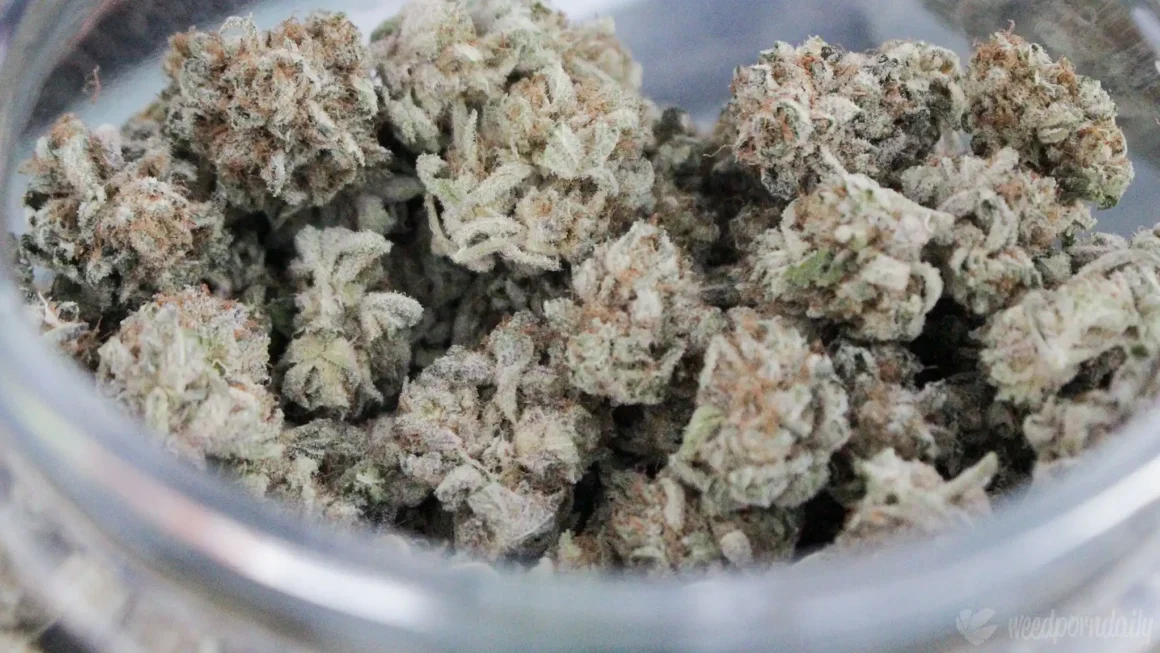
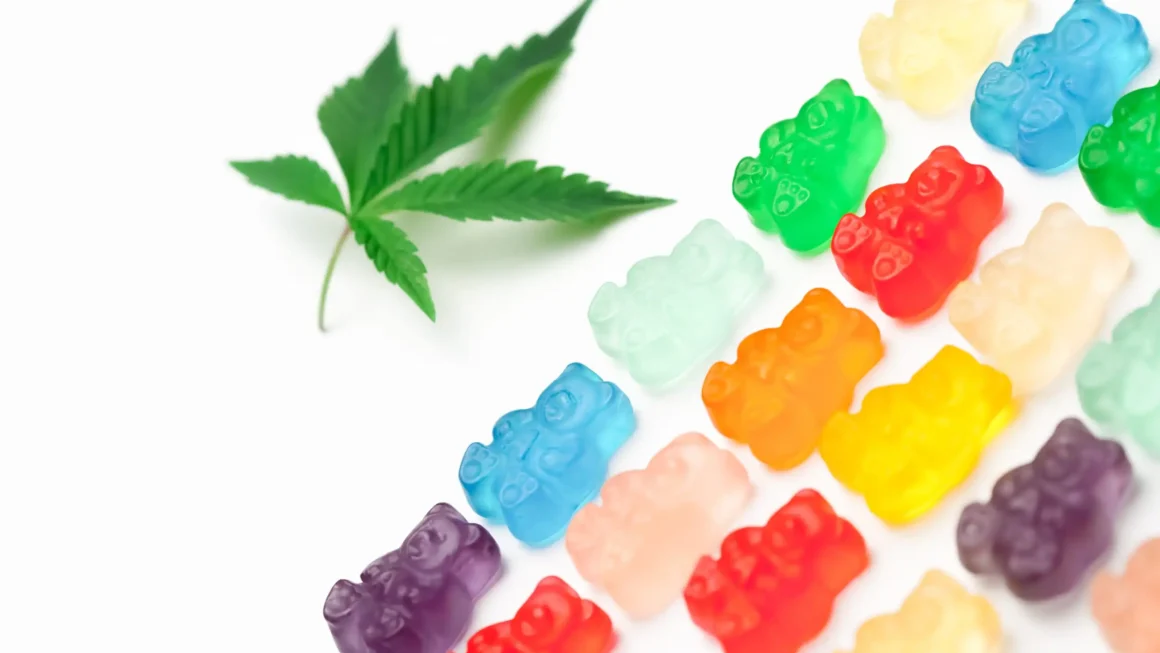
Intoxicating THC products are now only available for legal purchase through licensed marijuana dispensaries.
By Phillip Smith, The American Hemp Monitor
A bill New Jersey Gov. Mikie Sherill (D) signed into law at the end of last month and which went into effect Monday, Senate Bill 3945, temporarily tightens the regulation of hemp-derived intoxicating cannabinoids before making permanent changes that go into effect on November 13, the same day the pending tightening of federal hemp regulations goes into effect.
According to the New Jersey Cannabis Regulatory Commission, as of Monday, the following items are no longer defined as hemp but as marijuana, which is legal in the state: plants or viable seeds from a cannabis plant exceeding more than 0.3 percent total THC (including not just delta-9 THC but also delta-8, delta-10, THCA, and other intoxicating cannabinoids) by dry weight, cannabinoids not capable of being naturally produced by a cannabis plant, cannabinoids capable of being naturally produced but were chemically synthesized and products containing more than 0.4 milligrams of total THC per container.
Such products may now be purchased only at licensed marijuana retailers. They had previously been available at gas stations, convenience stores, CBD shops and smoke shops. The new law also bars the sale of any hemp-derived intoxicating products, including beverages, online or via vending machines, sales to people under 21 and the sale of cannabinoids synthesized using a chemical process.
Monday’s changes apply to all intoxicating hemp products except hemp beverages, which will be allowed to be sold through a temporary, tightly regulated window under the Division of Alcoholic Beverage Control until November 13. After that date, all intoxicating hemp products exceeding 0.4 milligrams of total THC must be sold only through the state’s licensed marijuana system.
The purpose of the limited window for hemp beverages is to allow licensed hemp producers, retailers and regulators the ability to continue operating under temporary rules while regulations to allow the sale of THC-containing hemp products via the marijuana marketplace are sorted out.
The Cannabis Regulatory Commission is also warning in-state hemp cultivators who plan to produce products that exceed the April 13 hemp limits to apply for marijuana cultivation or manufacturing licenses because “selling, producing or distributing these products without a license from the Commission will be unlawful after April 13, 2026.”
This story was first published by The American Hemp Monitor.
Marijuana Moment is made possible with support from readers. If you rely on our cannabis advocacy journalism to stay informed, please consider a monthly Patreon pledge.