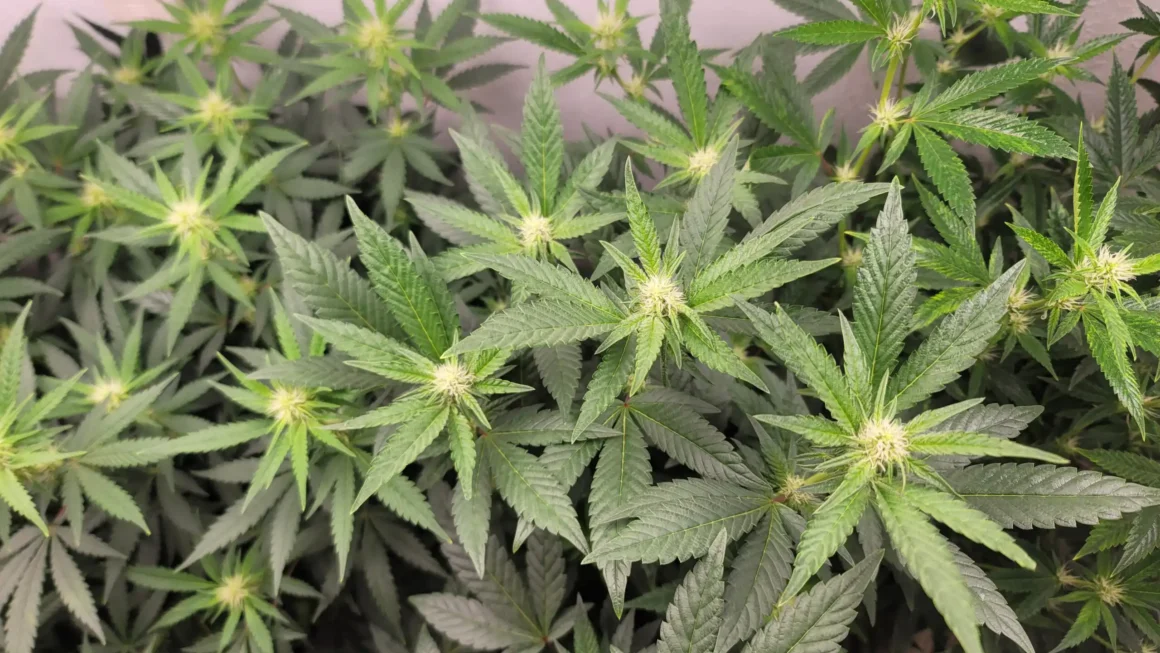
A new survey conducted in September among 1,008 U.S. adults interested in hiking and camping found that 35% had gone hiking while high on cannabis, while 44% had done so after using at least one substance. The reasons vary from enjoying the scenery and feeling closer to nature to relaxing and overcoming fears, although most substance-using hikers still stick to shorter, easier trails.
Hiking while high can be one of the best experiences out there for people looking to connect with nature in a different way, at least according to some weed-loving hikers. The sounds, the introspection, your heartbeat falling into rhythm with the natural world, the views hitting just right, and one stereotype that doesn’t quite hold up: the lazy stoner. Turns out, plenty of cannabis users are into hiking. And weed isn’t the only thing they’re bringing along for the ride…
Of course, not every hiker chooses weed before hitting the trail, and those who do aren’t necessarily doing it for the same reasons. Some want to feel more connected to nature. Others are in it for the visuals. But what about everyone else?
Weed, Shrooms, and Booze: What Are Hikers Into?
For some people, a good pair of shoes, a water bottle, and a breathtaking view are all they need to enjoy a hike. For others, it seems there’s still something missing from their backpack. And according to a new survey, for some hikers, that missing ingredient is marijuana.
Expedition company Climbing Kilimanjaro surveyed 1,008 U.S. adults interested in hiking and camping and found that 35% had gone hiking while high on cannabis. And while weed took the top spot among the substances mentioned, it was far from the only one hikers were using.
In fact, 23% of respondents said they’d gone hiking after drinking alcohol, while 15% had hit the trail under the influence of psilocybin, the psychoactive compound found in magic mushrooms. Another 7% had gone hiking after using CBD products, which contain cannabidiol, a generally non-intoxicating compound found in cannabis.

Overall, 44% of respondents said they’d hiked under the influence of at least one substance. And apparently, curiosity about exploring altered states of consciousness in the great outdoors isn’t exactly rare, either, since nearly one in four respondents (24%) said they were interested in trying psychedelics in nature but hadn’t gotten around to it yet.
One important caveat, though: these percentages aren’t mutually exclusive. The same person could have experimented with different substances on different hikes. Plus, the survey asked respondents about experiences they’d had at least once, meaning the results don’t necessarily reflect regular habits. In other words, just because someone’s used weed on a hike doesn’t mean it’s a must-have for every outdoor adventure.
High Hiking: Feeling Closer to Nature, Taking in the Views, and Calming the Nerves
But what makes someone want to alter their perception in the middle of nature? Aren’t the fresh air, the birdsong, and the spectacular scenery enough? Well, some hikers believe using substances can enhance the experience.
According to the Climbing Kilimanjaro survey, 48% of those who use substances while hiking do so to better enjoy the scenery, while 45% want to feel more connected to nature. So it’s not all about heightening the sensory experience: another 23% say using substances helps them relax and overcome certain fears.
Still, there’s a big difference between seeking a deeper connection with your surroundings and venturing into dangerous terrain under the influence. In fact, 51% of those who use substances on their hikes stick to short, easy trails close to home, while just 5% do so on more challenging trails or climbs.
“For some hikers, the natural high just isn’t enough, and they’re looking for even more ‘elevated’ ways to enjoy the trails,” Justin Mtui, a Kilimanjaro consultant for Climbing Kilimanjaro, told Marijuana Moment.
According to Mtui, cannabis and psychedelics aren’t competing with the outdoor experience; they’re becoming part of it. Some use them to relax, soak up the scenery, and feel more connected to nature. But when the terrain gets tougher, even people who enjoy using substances tend to prefer keeping a clear head.
And that makes sense. As appealing as it might sound to play around with perception in the great outdoors, substances like cannabis, alcohol, and psilocybin can affect coordination, balance, risk perception, and reaction time. Those effects might be less obvious on an easy walk, but they can become a serious problem when you’re dealing with a steep drop-off, a slippery trail, or a sudden change in weather.

After all, there’s a difference between wanting to get lost in the scenery and actually getting lost in it. Literally.
So Much for the Lazy Stoner Stereotype
For decades, the image of the stereotypical stoner was pretty straightforward: someone sprawled out on the couch, surrounded by snacks, with absolutely no intention of getting up anytime soon. But research has increasingly challenged that picture. And no, you don’t have to become an Olympic athlete to prove it.
A 2024 study examining the physical activity habits of 4,660 U.S. adults between the ages of 18 and 59 found that people who had recently used cannabis weren’t necessarily more sedentary or more intensely active. In fact, recent cannabis use was associated with a slight increase in light physical activity. In other words, rather than confirming the image of the permanently couch-bound stoner, the findings suggest that the relationship between weed and exercise is a lot more complicated.
And that’s not the only research pointing in that direction. A 2019 study involving 600 cannabis users in U.S. states where marijuana was legal found that roughly 80% used weed before or after exercising. What’s more, those who incorporated cannabis into their workout routines reported exercising for longer and having a more enjoyable experience. 52% even said weed boosted their motivation to work out.
Now, just because cannabis is associated with certain exercise experiences doesn’t mean weed improves athletic performance, or that getting high is what causes people to be more active. But these findings do challenge the familiar stereotype of the stoner who can’t peel themselves off the couch.
For some people, hiking through the mountains, listening to the sounds of the forest, and taking in the scenery are all extraordinary experiences in their own right. For others, cannabis is part of what helps them connect with nature. But when the trail gets tough, many hikers who enjoy getting elevated seem to prefer keeping their feet on the ground.
And their heads clear.

Related Posts
Federal Marijuana Rescheduling Will Have ‘Negligible Impact’ On South Dakota’s Medical Cannabis Program, Attorney General Says
North Carolina’s $3 Billion Hemp Industry Braces For Impact Of Scheduled Federal THC Product Ban