Pepper’s drummer reflects on Point Break Festival, reggae-rock’s traveling family, growing up around Hawaiian cannabis, Sublime’s influence, and why the best shows feel more like backyard jams than festivals.
Pepper drummer Yesod Williams did not talk about Point Break Festival like it was another square on the summer tour calendar. To him, bringing Pepper, Sublime, Slightly Stoopid, Less Than Jake, and the wider reggae-rock orbit onto a beach felt closer to a family reunion. The location changes. The food changes. The local characters change. But the same tattooed, sunburned, weed-friendly caravan keeps following the music from coast to coast.

Pepper returned to Point Break Festival after playing its inaugural year in 2024. Williams remembered the first edition as unusually dialed-in for a new festival, especially considering how quickly an oceanfront party can turn into a logistical yard sale.
“There’s so many moving parts to a music festival,” Williams says. “First year is always working some kinks out, ironing some wrinkles, and it was amazing.”
Ahead of the band’s return to Virginia Beach, he expected fewer boundaries, more guest appearances, and the kind of Pepper set where the band members might spend as much time in the crowd as they do behind their instruments.
As Williams puts it, “If you really want to feel like a part of a show and not just at a show, just come check out the Pepper set.”


Point Break Brought the Whole Family to the Beach
Pepper’s return marked the band’s second Point Break appearance. Williams believed the festival worked because it understood that reggae rock operates as a community before it operates as a genre.
“Anytime you can get this reggae rock scene on the beach together with all the people that are what we call our fans, our whole world is an ohana,” he says. “It’s a family. It’s the Pepper ohana.”
That family stretches well beyond Pepper. Ahead of the weekend, Williams expected the bands to bleed into one another’s sets, with musicians from Slightly Stoopid, The Elovaters, and elsewhere moving across the stage without much ceremony. It is the opposite of a tightly sealed festival environment where artists arrive, play, and vanish into black SUVs.
“You’re going to see all the bands onstage with each other,” Williams says. “We have so much fun together.”
He calls the approach kanikapila style, a Hawaiian tradition of sitting around with friends and family and playing music. In Williams’ telling, the reggae-rock circuit has turned that backyard custom into a roaming festival culture.
“It’s just turned into one big kanikapila,” he says.
Point Break also got a jolt from Less Than Jake, whom Williams affectionately calls Pepper’s “old-school Warped Tour uncles.” Their presence widened the festival’s frame and reconnected the lineup to the punk and ska circuit that helped Pepper find its footing.
“Huge respect to Point Break Festival for going a little bit outside of the box too and bringing a little added spice into the festival,” Williams says.
A Pepper festival set runs shorter than the band’s headlining show, which means fewer detours and less room for deep cuts. Williams said the band may get 45 minutes to an hour at a festival, compared with roughly 90 minutes on its own stage.

Still, a compressed set can carry its own charge, especially when friends start appearing from the wings.
“It’s like going on a fishing trip,” Williams says. “It’s super epic and rad by yourself, but, man, if you got some buddies there, it just kind of hypes up the energy that much more.”

The Coast Changes, but the Crowd Travels
Williams had a fresh East Coast-West Coast comparison. Pepper had recently played Petco Park in San Diego with Sublime and Slightly Stoopid, two bands that also sit at the center of the Point Break universe. He notices regional differences, but they tend to show up in the margins rather than the spirit of the crowd.
“You’re going to get your different foods. You’re going to get kind of your different styles and just different little touches of culture,” Williams says. “But I think the attitude and just the overall personality of the people that are coming to these shows and spreading these vibes are pretty similar.”
The fans travel too. That mobility has helped turn reggae rock into a durable culture with its own routes, reunions, and generational handoffs. People follow the bands from California ballparks to Virginia beaches because the shows offer more than a sequence of songs. They offer recognition.
Pepper’s new single, “End of the World,” features The Movement, another band from that extended circle. Ahead of Point Break, Williams said attendees could expect new music, surprise guests, and perhaps a close encounter with Pepper guitarist and vocalist Kaleo Wassman or bassist Bret Bollinger in the crowd.
During the recent Petco Park show, Williams lost track of his bandmates for several minutes during the set.
“It was absolutely glorious,” he says.
That loose, participatory instinct goes back to the band’s origins. Pepper did not emerge from a strategy session about marketable genre fusion. The group grew out of Hawaii, surf culture, reggae, punk records, and parties where nobody bothered to draw a clean line between audience and performer. Point Break gave the band another chance to recreate that chaos at scale.

Sublime Showed Pepper the Door Was Open
Reggae surrounded Williams growing up in Hawaii. UB40 played everywhere, and Jawaiian music had already fused Jamaican influence with Hawaiian musicianship and island life.
What Williams needed was a way to connect that foundation to the punk and alternative music ripping through surf videos in the 1990s. The Police and The Clash offered early clues. Then Sublime made the combination feel completely natural.
Williams first heard Sublime’s cover of the Descendents’ “Hope” in Taylor Steele’s surf film Momentum 2. The song sat comfortably beside bands like Pennywise and NOFX. Williams did not yet know it was a cover, and he did not understand how far Sublime could stretch. Then a friend returned from the mainland with 40oz. to Freedom and played “Don’t Push.”
“I’m like, what? This is the same band that did that punk rock song?” Williams says.
That revelation cracked open Pepper’s future. Sublime treated punk, reggae, dub, ska, and hip-hop as parts of the same language. Williams realized Pepper could do the same without cutting itself into separate pieces.
“Oh, wait, we can play songs with punk rock in them and reggae in them, and we can do all these things,” he recalls thinking.
Sublime also brought Williams back to the drums. He had started playing at nine, quit around 12 or 13 after burning out, and turned his attention toward surfing. Then he heard the live album Stand by Your Van. The recordings sounded like small rooms on the edge of losing control.
“They sounded like parties,” Williams says. “I was like, I want to play music again, and I want to play parties around Kona.”
Soon after, he connected with Wassman at a beach party. Pepper followed. That history makes sharing festival bills with Sublime deeply personal. Williams recently thanked drummer Bud Gaugh for the inspiration and reflected on how Sublime’s surviving members lost the chance to tour behind the band’s 1996 self-titled album after Bradley Nowell died.
“They didn’t get to experience the glory from it,” Williams says. “Going out and flying the flag of that record and playing those songs for all these beautiful spirits that love it.”
Seeing that lost time reclaimed, he says, has become another “pinch-me moment.”

Cannabis Has Always Been in the Room
Cannabis entered Williams’ life long before dispensary shelves, celebrity brands, or festival smoke clouds. His parents moved to Hawaii in the late 1970s to grow weed. Some of his earliest memories involve the smell of cannabis drying around the house.
“It was never like a real taboo, like, ‘Don’t look at it. Don’t touch it,’” Williams says.
That openness helped him avoid the fearful relationship many people inherit from prohibition. He started smoking young, enjoyed cannabis before surfing, and later carried it into music. Over time, though, he also learned the value of taking breaks. After his son was born, Williams stopped consuming for about six months.
“Those times are really nice too,” he says. “The beautiful times of clarity and getting clearheaded for a little bit just adds to, I think, the human experience that is involved in cannabis.”

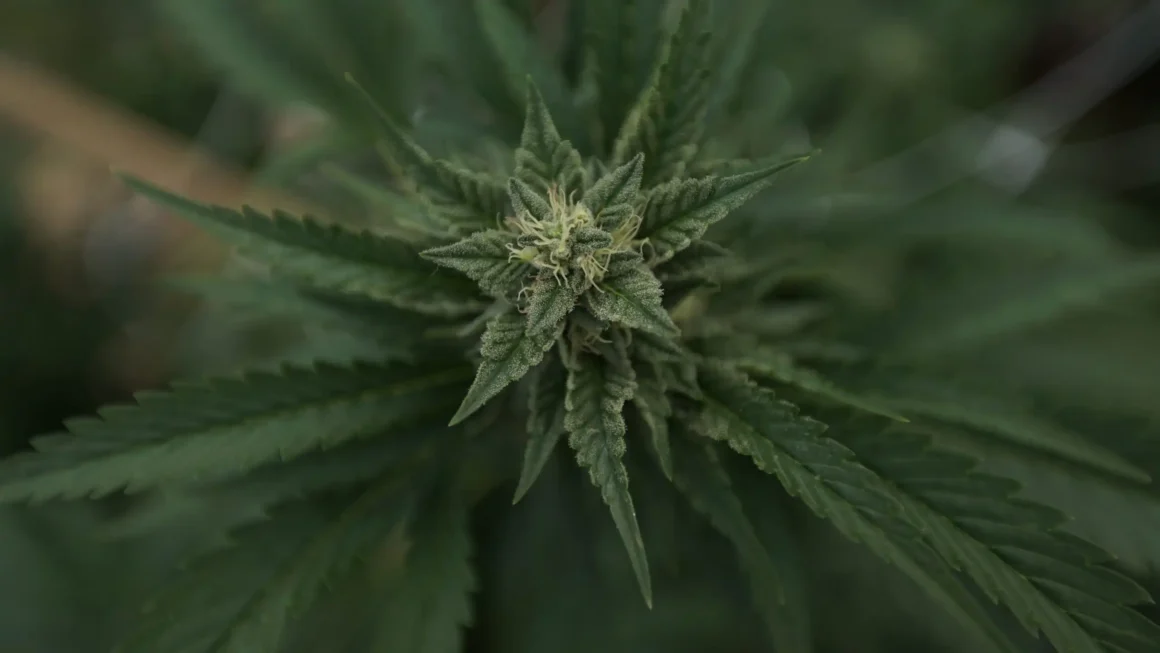
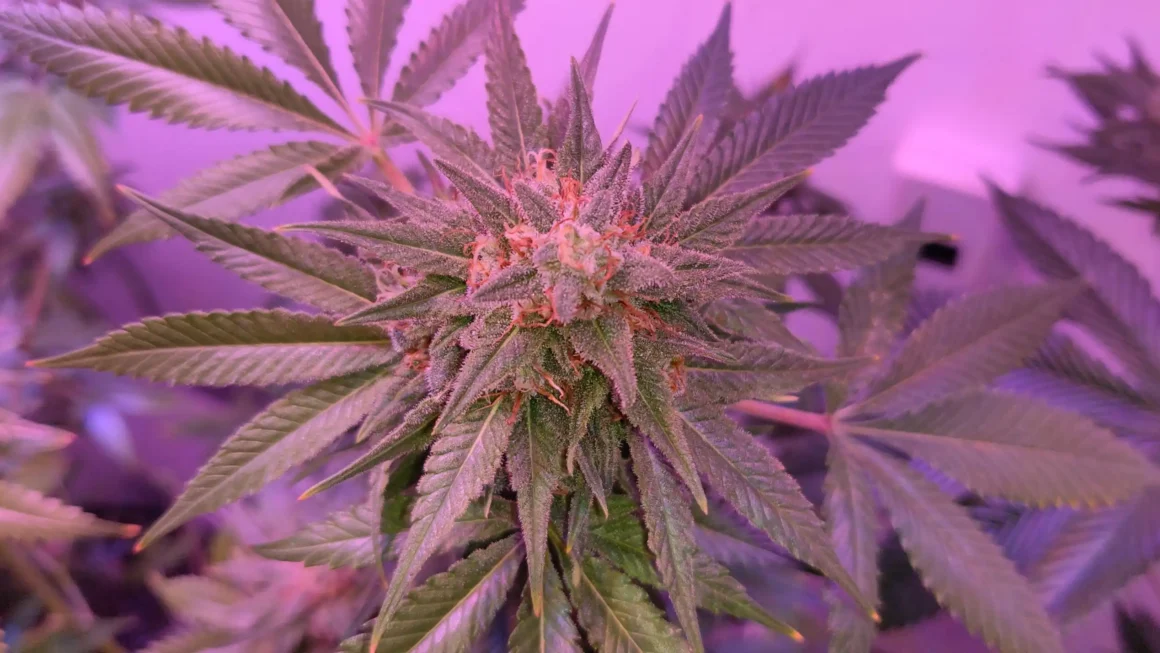
These days, he prefers live rosin. Pepper also has a cannabis line called Stoned Love, named after the band’s song “Stone Love.” The group partnered with Party Favors Dro on pre-rolls packaged in embossed tins featuring art tied to Pepper’s long visual history.
The artwork comes from a classmate who grew up with the band in Hawaii, which gives the packaging more personal weight than the average musician licensing deal. For Williams, cannabis still connects most strongly to surfing and music because each can pull him toward the present. He describes creativity as something received rather than forced.
“Music is literally like magic… You can’t even touch it. It’s intangible. It’s just vibrations.”
Yesod Williams
Cannabis may clear a path toward that source, but Williams knows inspiration still needs discipline. He balances the mystical talk with a reminder from Pepper’s manager: Proper preparation prevents poor performance. Practice remains the bridge between the signal and the song.

Fatherhood Put Everything in Order
Williams now measures touring against a different center of gravity. At the time of the interview, he had a 2-year-old son and another child on the way. Fatherhood, he says, gave him a clearer reason for the work and a larger capacity for love.
“My heart is so much bigger now because I’m a father,” Williams says.
He became emotional while describing that shift. Before drummer, surfer, or touring musician, he now sees himself as a parent.
“That’s who I am first and foremost,” he says.
Pepper’s schedule has also changed. The band spent its 20s and 30s charging forward without much balance. Now, its members have children, families, and enough control over the operation to tour without letting the road swallow everything else. Williams still hates leaving for weeks at a time, but the arrangement allows him to be fully present when he returns.
“When I’m home, I’m home,” he says.
That idea loops back to Point Break. Presence sits at the center of nearly everything Williams values: catching a wave, locking into a song, smoking with intention, raising his children, or stepping onto a beach with friends he has known for decades. A good festival can become another way of entering that state.
For one weekend, the stage opened up. The crowd moved closer. The bands stopped behaving like separate businesses and started acting like the friends they are. Then Pepper turned Virginia Beach into a backyard.