Thailand is moving closer to putting its medical-only cannabis model into national law, with a new bill that would require licenses across the supply chain, restrict sales to medical and research purposes, and prohibit advertising and promotion. Thousands of existing dispensaries could continue operating until their current licenses expire, but many would then need to transition into healthcare facilities and meet stricter medical requirements to stay open.
After four years of back and forth, Thailand is still reshaping its cannabis policy, seeking to turn into law the medical-only model it has been building since 2025.
On September 22, Thailand’s cabinet approved a new Cannabis Control Bill aimed at limiting use of the plant to medical and health purposes, as Forbes reported. The bill is not yet law: it will now be sent to the House of Representatives for consideration.
The move marks a new chapter in a story we’ve been following since Thailand decriminalized cannabis in 2022. That opening removed the plant from the narcotics list, but without creating a comprehensive regulatory framework at the same time, leaving room for thousands of dispensaries to flourish along with an adult-use market that was never formally regulated.
A Law to Close the Loopholes Left Behind Since 2022

The new bill establishes that the cultivation, production, sale, import and export of flower and extracts will be subject to three-year licenses. Cultivation sites will also have to be registered by size and location to allow for traceability.
The sale of cannabis and extracts would be limited to medical use by people over 20 under treatment prescribed by authorized professionals, as well as to research purposes. Roots, stems, branches, leaves and seeds would be subject to a more flexible framework when intended for medical use.
The proposal also prohibits advertising and promotion of cannabis and related paraphernalia. Additionally, it establishes fines and criminal penalties for illegal production, import, export or sale.
This isn’t an entirely new or unexpected turn… The government had already begun restricting adult-use cannabis in June 2025, requiring medical prescriptions, 30-day limits per patient and bans on online sales, vending machines and consumption inside dispensaries except in permitted medical circumstances.
What Will Happen to the Thousands of Dispensaries?

The most consequential change involves retail. Existing businesses will be able to continue operating under their current licenses, which expire on a staggered basis between 2026 and 2028. But when the time comes to renew them, shops that want to continue operating will have to meet the requirements of the new medical system.
That means many will have to transition into healthcare facilities and have a doctor on site to issue prescriptions. Public Health Minister Pattana Promphat estimated that more than half of existing businesses may need to undergo that transition, which has already been taking a toll on the sector. As we saw in April, thousands of licenses went unrenewed as the country moved from recreational dispensaries toward a clinical model. And in May, regulatory pressure and market saturation had already led to thousands of closures and a race to survive.
The difference now is that this shift could move beyond ministerial orders and finally become a national law specifically governing cannabis.
Thailand is not eliminating the industry but trying to redefine it; the problem is that it rushed to get into the game the first time around and is now backtracking a little more abruptly than retailers would like. What is clear is that, in recent years, Thailand has consistently pursued the same idea: less of an open adult-use market, more prescriptions, traceability and medical oversight. The next chapter will play out in Parliament.
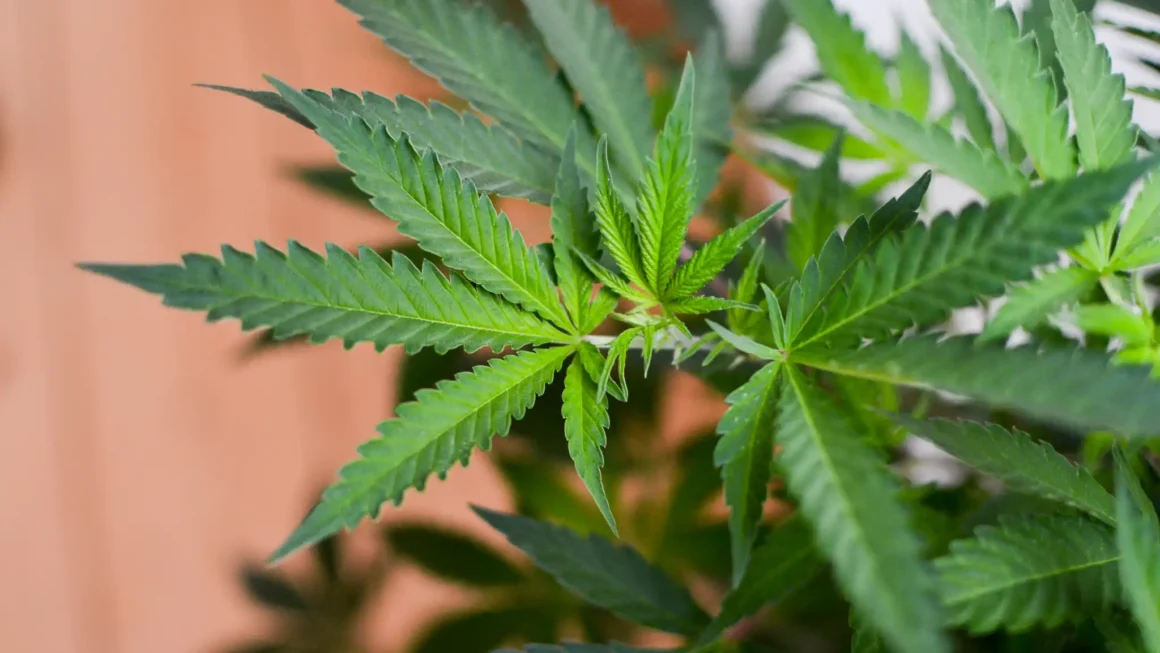
Photo by Zitihayath Worawatthanachai on Unsplash

Related Posts

Texas GOP Senate Candidate Ken Paxton Took More Than Half A Million Dollars In Alcohol Industry Donations While Opposing Cannabis Reform
Teen cannabis use hits all-time low, federal report shows (Newsletter: September 23, 2026)