“Our store manager saw a patient walking out, and as silly as it sounds, they jumped and clicked their heels. Yeah, they were that happy about having that medicine.”
By Anna Barrett, Alabama Reflector
Over 100 qualifying patients have purchased medical cannabis since Alabama’s first dispensary opened, the Alabama Medical Cannabis Commission said Thursday.
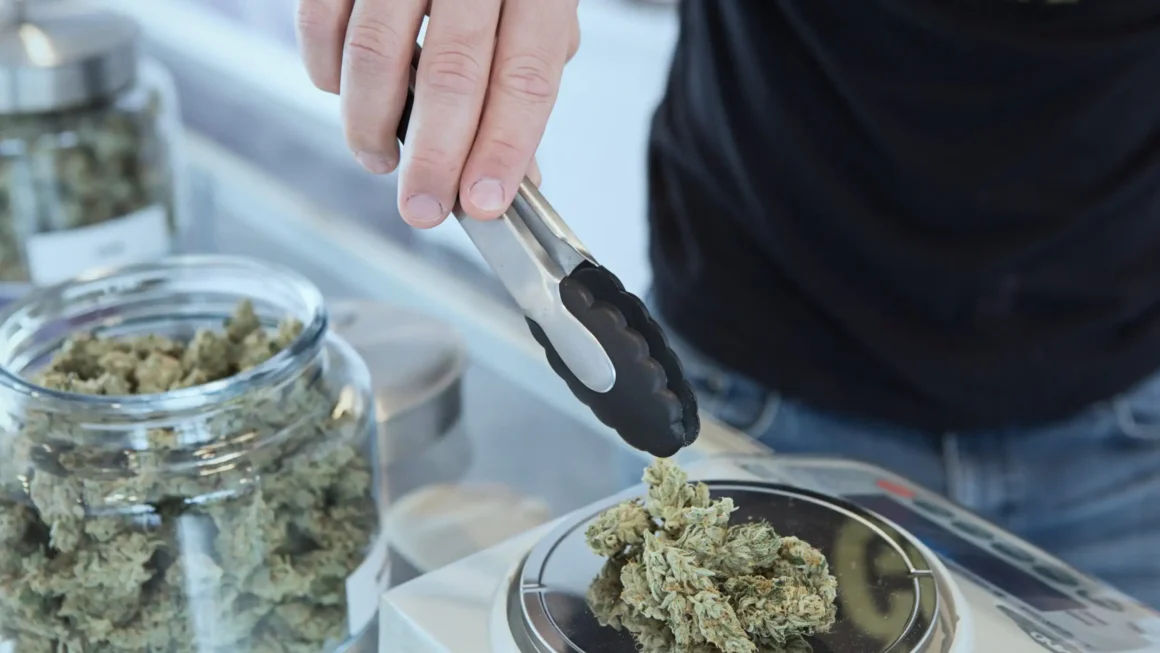
The state’s first legal medical cannabis provider, Callie’s Apothecary, opened its first location in Montgomery on June 4 following a “soft opening” the day before. Justin Aday, general counsel for the commission, said Thursday that 102 patients have purchased medical cannabis products in 111 transactions. Those transactions have generated about $14,600 in pre-tax sales with the average transaction being $131.56, Aday said.
Vince Schilleci, owner of Callie’s, said in a phone interview Thursday afternoon that the last week of business has been rewarding.
“I’m seeing a lot of happy patients,” he said. “Our store manager saw a patient walking out, and as silly as it sounds, they jumped and clicked their heels. Yeah, they were that happy about having that medicine.”
According to the patient menu on Callie’s website, each product ranges from $42 to $52 each. Schilleci said that the dispensary got its second shipment of products on Thursday and expects another one on Friday, which will help meet the demand of patients.
“We’ve had to—I hate to use this term ration—but we’ve limited how much patients could purchase, just because we knew how many patients were coming on board, and we at least wanted people to have a chance to have something,” Schilleci said. “We’ve lifted the rationing now, so patients can come down and buy their full 60-day allotment if they choose.”
Aday said that as of Thursday morning, 481 patients have applied for a cannabis card and 446 of them have been issued one by the AMCC.
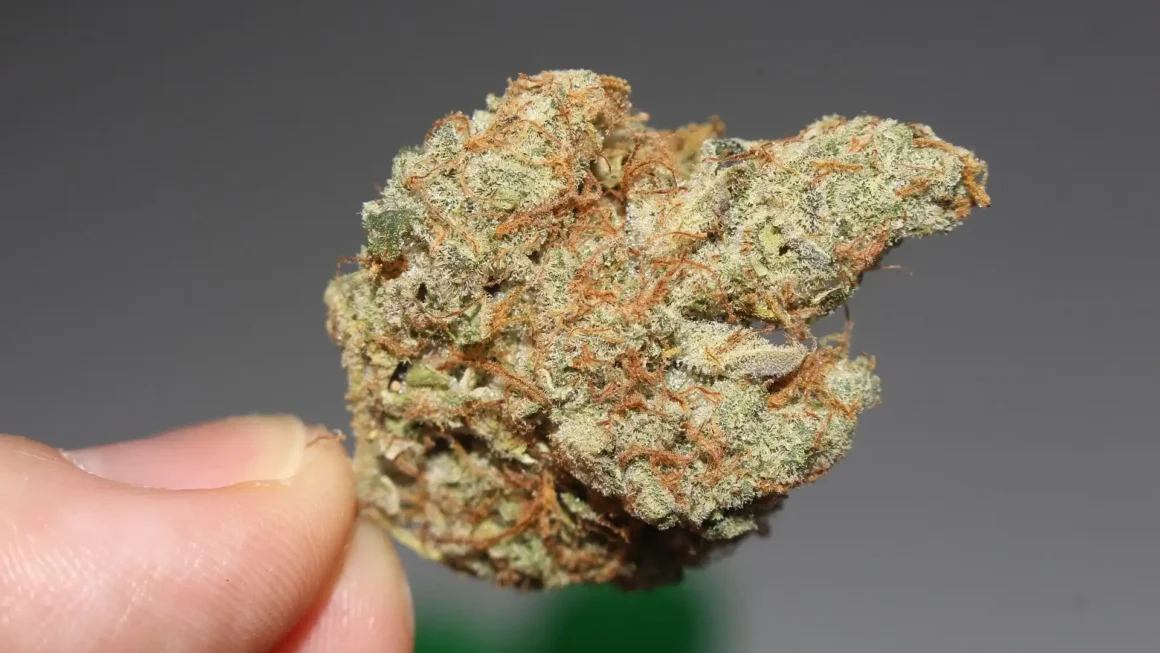
The Alabama medical cannabis law, enacted in 2021, allows registered physicians to recommend cannabis for about 15 medical conditions, including cancer, depression, Parkinson’s Disease, PTSD, sickle-cell anemia, chronic pain and terminal diseases. The approved product forms are restricted to tablets, tinctures, patches, oils and gel cubes (only peach flavor), with raw plant material and smokable forms remaining prohibited.
As of Thursday, there are 52 physicians certified to recommend medical cannabis to patients in Alabama, according to the Alabama Board of Medical Examiners. Aday said 39 are registered with the AMCC, with three pending, and 21 of the physicians have made medical cannabis recommendations to patients.
“We’re certainly looking forward to more of these patients being able to get to that dispensary and seeing other dispensaries open that will provide more geographic coverage for them,” Aday said. “We’re working diligently with processors in the lab on new products that are being manufactured so that the dispensary can maintain an inventory of products and a variety of products in that inventory to serve the patients that are visiting them.”
Litigation has also held up access to medical cannabis. Some firms sued the commission for not being awarded a license, citing a discriminatory process. Another case involved five parents that sued the commission over delays in access to cannabis, which was dismissed in August.
Licenses for three of the four possible dispensary companies were not approved until December.
Three of the companies, CCS of Alabama, LLC, GP6 Wellness, LLC and RJK Holdings, LLC, have licenses and are expected to open their storefronts this summer, according to AMCC Director John McMillan. A fourth license is pending litigation, but is likely to go to Yellowhammer Medical Dispensaries, LLC.
“I would do it again just to see the smile on these patients’ faces. Now, I would hope a little bit easier, but it’s been worth it,” Schilleci said. “It’s been worth it. There’s no doubt.”
This story was first published by Alabama Reflector.
Photo courtesy of Max Pixel.
Marijuana Moment is made possible with support from readers. If you rely on our cannabis advocacy journalism to stay informed, please consider a monthly Patreon pledge.