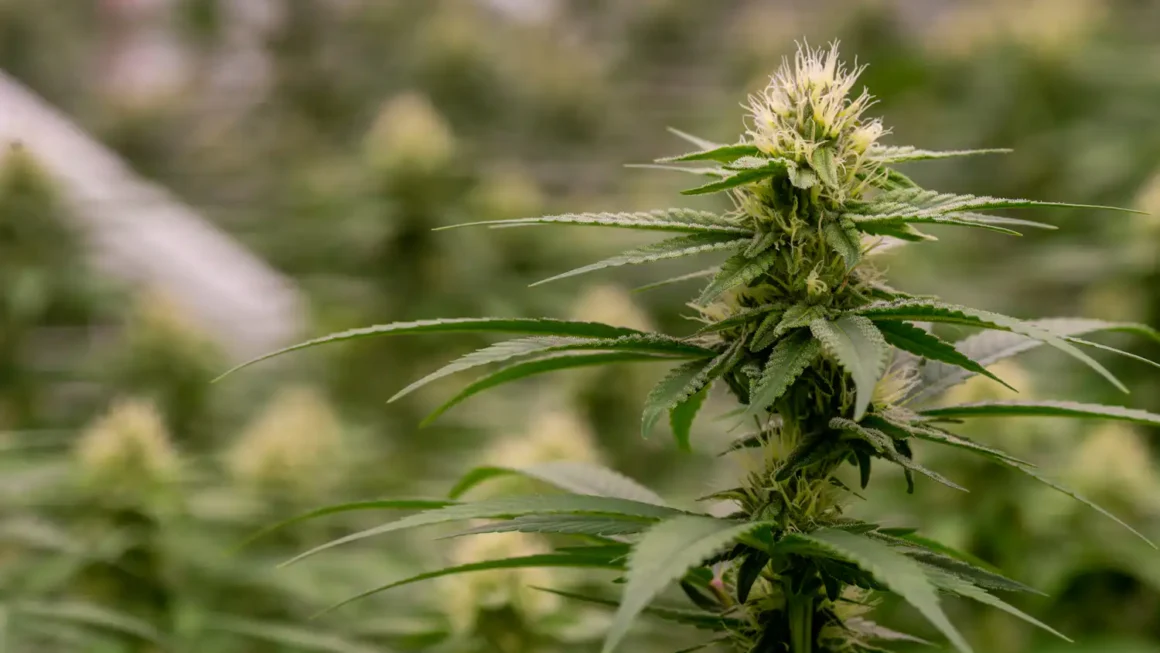
A survey of more than 1,100 people with suspected or diagnosed CHS offers one of the clearest looks yet at the condition, including a notable finding: exclusive vape cartridge users reported symptoms appearing sooner than exclusive flower smokers.
By Riley Kirk, PhD and Codi Peterson, PharmD
Cannabis is known for helping fight nausea. It can calm the stomach and help patients deal with chemotherapy, chronic illness and pain. It is even FDA-approved for chemotherapy-induced nausea and vomiting in certain forms. But for a small group of heavy cannabis users, something strange can happen.
Instead of calming the stomach, cannabis can begin to trigger waves of nausea and severe vomiting. Some people end up going to the emergency room repeatedly before anyone realizes what is happening. The condition is called cannabinoid hyperemesis syndrome, or CHS.
For years, CHS has existed in a gray area between cannabis culture and medical science. Many physicians fail to recognize it, leading to prolonged symptoms and repeated emergency room visits. At the same time, some patients are misdiagnosed with CHS simply because they disclose cannabis use. Many consumers have never heard of the condition, leaving those who develop it spending months, or even years, trying to understand why they keep getting sick.
Part of what makes CHS so confusing is the gap between cannabis use, the early onset of general symptoms and the later phase of relentless vomiting. People can consume for years, even decades, without getting sick, only to suddenly develop the syndrome. Researchers still do not know exactly what causes it, although previous work has suggested that there may be a genetic link that makes some people more likely to develop CHS than others. Many cannabis consumers have also wondered whether CHS could be related to pesticide exposure, other medications or compounds in the plant beyond THC.
CHS is also a touchy subject in cannabis media because the condition is real, but the hype around it often gets distorted or weaponized. That broader tension has surfaced before in High Times coverage, including “Is Cannabinoid Hyperemesis Syndrome Real? If So, Should It Be on Warning Labels?” and “CHS, Cannabis Vomiting Syndrome, Is Real. The Hype Is Weaponized.” From our perspective, ignoring CHS does not help patients, and exaggerating it does not help the cannabis community either.
As cannabis legalization spreads, researchers are finally starting to gather better data about the condition and the kinds of cannabis use patterns linked to it. Our team surveyed more than 1,100 people with suspected or diagnosed CHS, and our recently published research paper offers one of the largest looks yet at how people with the condition use cannabis and experience this still-mysterious syndrome.
Our research group is made up of independent cannabis researchers, clinicians and patients who support cannabis reform and medical cannabis use. At the same time, we believe the plant deserves the same careful study as any other medicine. No external funding was involved in this survey, and none of the researchers have conflicts with alcohol or pharmaceutical companies.
Why We Wanted to Research CHS
Our goal was to better understand the condition and figure out who in our community is being affected so doctors can provide better care and consumers can recognize the warning signs earlier.
Prohibition slowed cannabis research for decades, but broader legalization is now opening the door to better real-world data. Understanding rare side effects like CHS is part of that process. CHS may not be a “good look” for the cannabis industry, but ignoring it does not make it go away. If anything, it only increases the risks for the people affected.

While the underlying cause of CHS is still unclear, our goal is to better understand who in our community is affected and why, so we can support clinicians in providing better care and empower individuals with the knowledge needed to recognize and respond to it earlier. Cannabis has been consumed for centuries without documented CHS in the medical literature, but newer extraction techniques, emerging hardware devices and modified growing methods are introducing additional variables worth considering.
What CHS Actually Looks Like
Many people think CHS is just vomiting from taking too much cannabis. But while that can happen when someone overindulges, CHS is different and tends to follow some recognizable patterns. It causes repeated cycles of nausea, vomiting and stomach pain in some heavy cannabis users. Many patients report that hot showers or baths temporarily relieve symptoms.
Doctors often divide CHS into three distinct phases. The first is the prodromal phase. This is when symptoms begin but vomiting has not yet become severe. Many people feel nausea, stomach discomfort or loss of appetite during this time. One of the more important findings in our survey was that these early symptoms were most often reported in the morning. Many respondents described waking up feeling sick to their stomach before the day even started.
Weeks to months later, during the hyperemetic phase, the vomiting begins. Nausea and abdominal pain become much more severe, and this can happen several times a day, or even all day. Recognizing those early morning symptoms may help consumers and doctors identify CHS sooner and avoid months of confusion and harm from chronic vomiting.
Recognizing those early morning symptoms may help consumers and doctors identify CHS sooner and avoid months of confusion.
Riley Kirk, PhD and Codi Peterson, PharmD
One pattern that stood out clearly in our survey was how frequently people with CHS were using cannabis. Nearly all participants, 96.5%, said they used cannabis at least daily, and about 45% said they used it six or more times per day around the time their symptoms developed.
In other words, the typical person in the study was not an occasional user. They were using cannabis many times throughout the day. That does not mean everyone who uses cannabis daily will develop CHS. Most cannabis users never experience the condition. But the data suggests that heavy and frequent use may increase the risk for some.
96.5%
of survey participants used cannabis at least daily around the time their CHS symptoms developed.
~45%
used cannabis six or more times per day around the time their symptoms developed.
How People With CHS Are Really Using Cannabis
The survey also looked at how people were consuming cannabis. Smoking flower was the most common method. Using vape cartridges was the second most common, and many respondents reported doing both.
When we looked only at people who reported using one method, an interesting pattern appeared. People who only smoked cannabis often reported many years of use before CHS symptoms began. People who only used vape cartridges often reported a much shorter timeline. Some said symptoms started after only one or two years of use.
Researchers do not yet know exactly why this pattern appears. One possibility is that modern vape products can deliver very concentrated doses of THC quickly and easily while also concentrating other components of the product. More research will be needed to understand that difference, but the pattern stood out clearly in our data.

Could Contamination Be the Cause?
Some people have suggested that CHS might be caused by pesticides or contaminated cannabis. While we still do not know the full story of CHS, our survey data did not support that idea as the main explanation. Participants reported getting cannabis from many different sources. Some bought from licensed dispensaries, while others used unlicensed markets or homegrown cannabis, and symptoms looked similar across all groups.
Where the cannabis came from did not appear to change how CHS developed in this survey. That finding adds to growing evidence that CHS is more likely linked to heavy exposure to THC over time than to any one market source. It is certainly possible for people to get sick from contaminated cannabis, which remains a real issue in both regulated and unregulated markets. But we also know from patients’ experiences that multiple people can use the same brand, strain, formulation or dispensary, and one might develop CHS while the others do not.
Sex Differences
We also found differences between men and women. Women reported more symptoms overall and were more likely to experience longer vomiting episodes than men, episodes that can last several days or even longer than a week.
Some women reported that symptoms became worse during their menstrual cycle, though not everyone noticed that effect. Researchers still do not know why these differences exist. Hormones may play a role, but again, more research is needed, and we hope these results can help inspire future studies.
What Should the Average Cannabis Consumer Know?
For most cannabis users, the takeaway is simple: CHS appears to be linked to heavy and frequent cannabis use over long periods of time. There is also some research suggesting genetics may play a key role in who develops it, which may help explain why some long-term, high-dose consumers are affected while others are not.
But for people who use cannabis many times a day for years, it may be helpful to know the early warning signs: recurring morning nausea, stomach pain that does not seem to have another cause, unusual ongoing abdominal symptoms and cycles of vomiting that improve only when cannabis use stops. Recognizing those patterns earlier may help people avoid repeated emergency visits and months of uncertainty.
Early warning signs of CHS
- Recurring nausea, especially in the morning
- Stomach pain without another clear cause
- Loss of appetite or ongoing abdominal discomfort
- Cycles of vomiting that improve only when cannabis use stops
- Temporary relief from hot showers or baths
These signs are most associated with heavy, frequent cannabis use over long periods. Most cannabis users never experience CHS. If you are concerned, speak with a healthcare provider.
Cannabis Science Is Growing Up
For a long time, cannabis research was limited by prohibition. Scientists struggled to study the plant and its compounds in meaningful ways. Now that cannabis laws are changing, the science is finally starting to catch up. That means studying the benefits of cannabis. It also means studying rare side effects like CHS.
Being honest about both sides does not weaken the cannabis movement. If anything, it strengthens it, because real science builds trust. The cannabis community deserves the same level of research and understanding that exists for any other medicine. The more we learn about cannabis, the better people can use it safely and responsibly, and that is a win for everyone.
Being honest about both sides does not weaken the cannabis movement. If anything, it strengthens it, because real science builds trust.
Riley Kirk, PhD and Codi Peterson, PharmD
Our team took on this research project because we care deeply about the cannabis community and the plant, and we wanted to start getting to the bottom of what may be causing CHS, or at the very least reduce the amount of time and trial and error that patients experience when they go to the ER with it. Although CHS can be a touchy subject, we feel it is important for this information and data to come from patients, advocates and medical professionals within the industry rather than from outside the space, where the narrative can be taken out of context and weaponized.
You can read the full paper, “Cannabinoid Hyperemesis Syndrome: A Survey-Based Approach to Understanding Symptoms and Cannabis Use Patterns”, here.
This article is based on peer-reviewed research published by the authors. It does not constitute medical advice. If you are experiencing symptoms consistent with CHS, consult a healthcare provider.